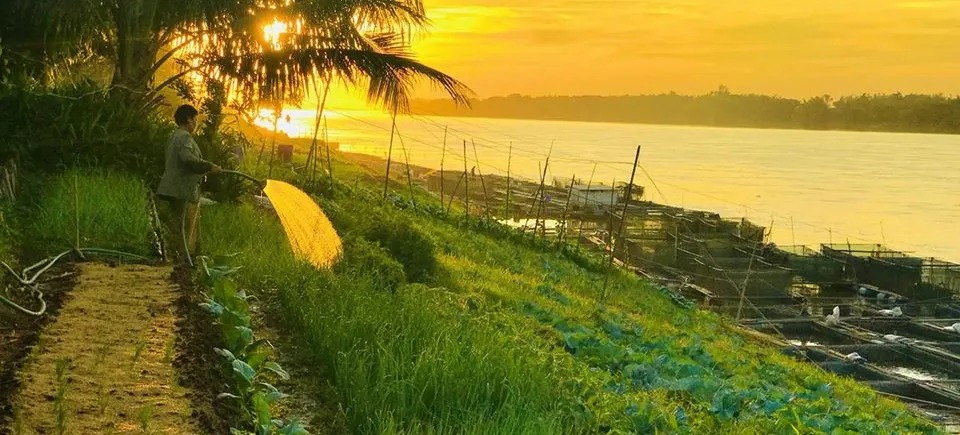
Ban Duea — community history
Life on the banks of the Mekong: origins, temples, traditions, local gastronomy, and crafts.
Around 1836, a man named Chan, his wife Nuandam, and others established a village in the Uthumphorn area and named it Ban Duea because of the abundant fig trees. Later, in 1857, Boonmi Srimuang built Wat Uthumphorn and became the first village headman, dividing the settlement into three sections (khum).
Between 2103–2378 BE, gaps in records may be linked to epidemics (e.g., cholera) and severe natural disasters (floods and strong winds) that collapsed riverbanks and submerged temples such as Wat Phangkone and Wat Khamkae into the Mekong.
In the Wat Phangkone area, several ancient temples were identified (including Wat Kham Khae and Wat Phon Kho). Groups collected iron ore and gold used for religious restorations. The Phangkone group is associated with jewelry‑making and mineral‑related crafts.
Temple inscriptions from the ruined site in Phangkone mention historical records around 2073–2103 BE during King Phothisarat’s reign (Luang Prabang), and later King Chai Chetthathirat ascending the throne. Political changes in the Lan Xang Kingdom contributed to moving the capital to Vientiane, reviving Buddhism, and rebuilding stupas and temples.
Today’s community boundaries
- North — the Mekong River
- East — Ban Sermsuk
- South — the Suai River
- West — Ban Mak Kong
Historic settlement sections (khum)
- Phangkone
- Khamkae
- Phonkho
- Uthumphorn
- Wat Nak
- Don Phak Kad Ya
- Don Klang
The Ban Duea community is made up of seven ethnic groups.
Ban Duea stretches for about 3,000 meters along the Mekong River. The riverbanks are lined with many trees, especially fig trees—this is why the ancestors named the place “Ban Duea” (the Fig Village).
Solar-dried bananas
Solar-dried bananas, ripe baked bananas, and other banana-based products are value‑added foods—especially in seasons when bananas are abundant and prices drop. Popular items include solar‑dried bananas, baked/oven‑dried bananas, candied bananas, and bananas used as ingredients in other foods.
The key difference between solar‑dried and baked/oven‑dried bananas is the drying method. Solar‑dried bananas rely solely on sunlight—either outdoors or in a solar dryer. Baked/oven‑dried bananas use dedicated drying equipment for more controlled conditions.
A short history
Dried bananas have been enjoyed for generations. A well‑known documented origin comes from Phitsanulok Province (often referred to as “Bang Krathum dried bananas”), popularised in the early 2000s. Local producers discovered that solar drying could create bananas that are sweeter, more aromatic and juicier than typical oven‑dried versions—helping the product spread to other regions.
Nutrition (per 100 g)
- Water 30.60 g
- Energy 266 kcal
- Protein 2.20 g
- Fat 0.10 g
- Carbohydrates 64.10 g
- Calcium 12 mg
- Phosphorus 84 mg
- Iron 1.30 mg
- Vitamin B1 0.05 mg
- Vitamin B2 0.11 mg
- Vitamin C 3 mg
- Fibre 0.70 mg
Benefits
- Quick energy from natural sugars (sucrose, glucose, fructose)
- Dietary fibre supports digestion
- Potassium helps reduce excess water and supports healthy blood pressure
- Antioxidants may help combat free radicals and slow ageing
We use bananas grown in our own garden. We carefully select varieties that thrive locally and avoid fruit that is too unripe or overripe—so our solar‑dried bananas are delicious: not too hard, not too soft.
Price: 35฿ per box • Special offer: 3 boxes for 100฿
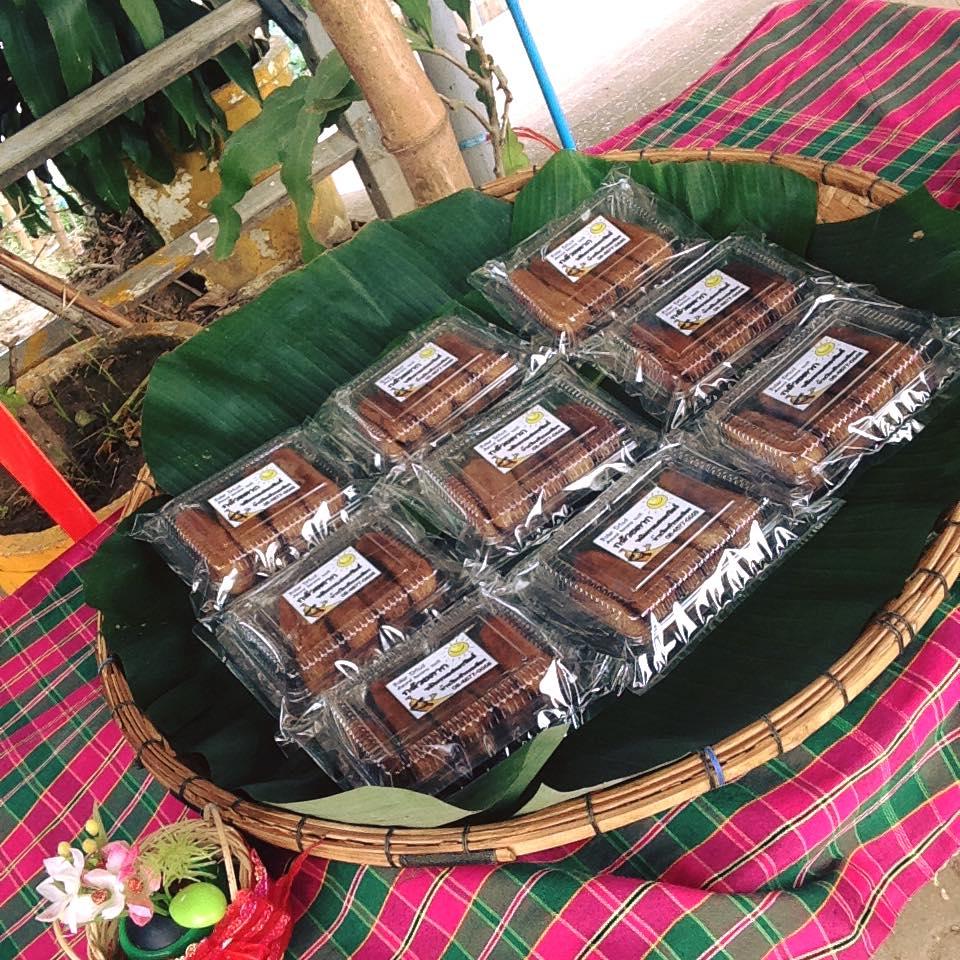
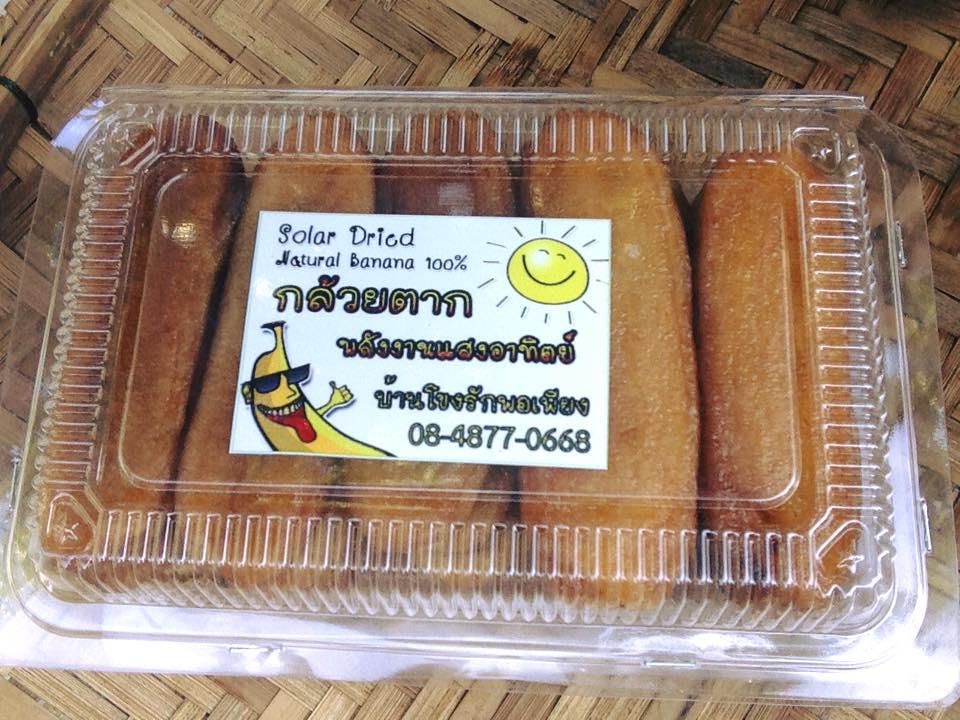
Product pack (label)
Close-up of the solar‑dried banana pack, ready to sell.
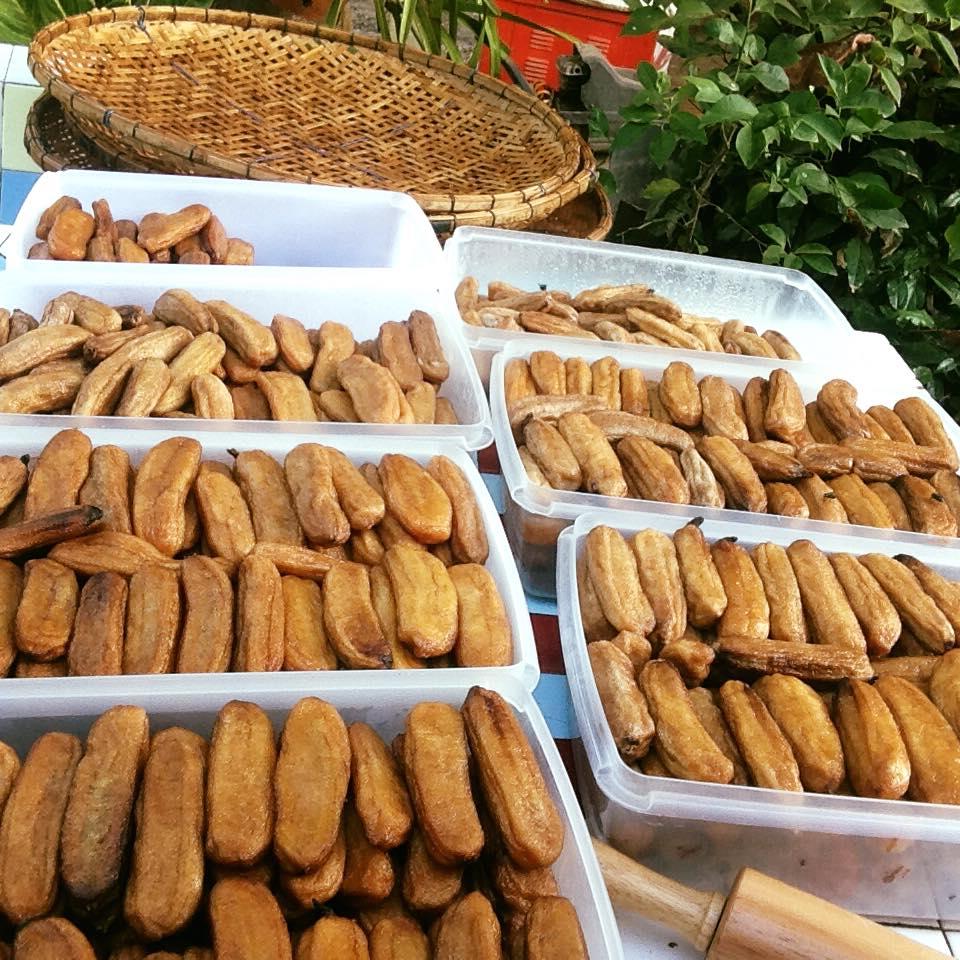
Solar‑dried bananas (trays)
Bananas drying and prepared in batches for local sales.
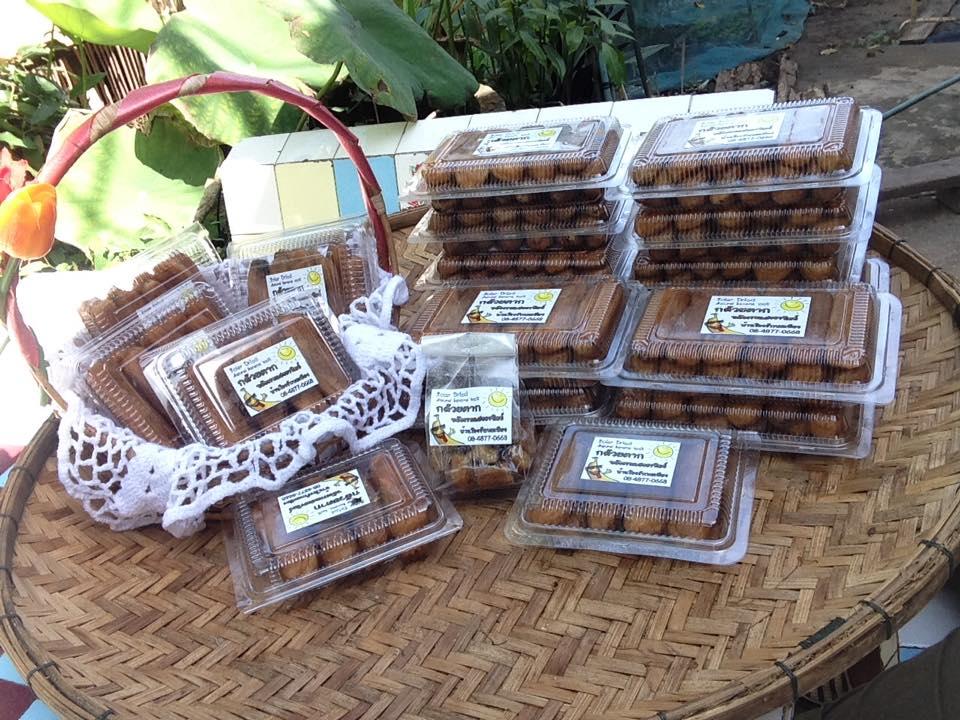
Ready for distribution
Packed products presented for customers and transport.
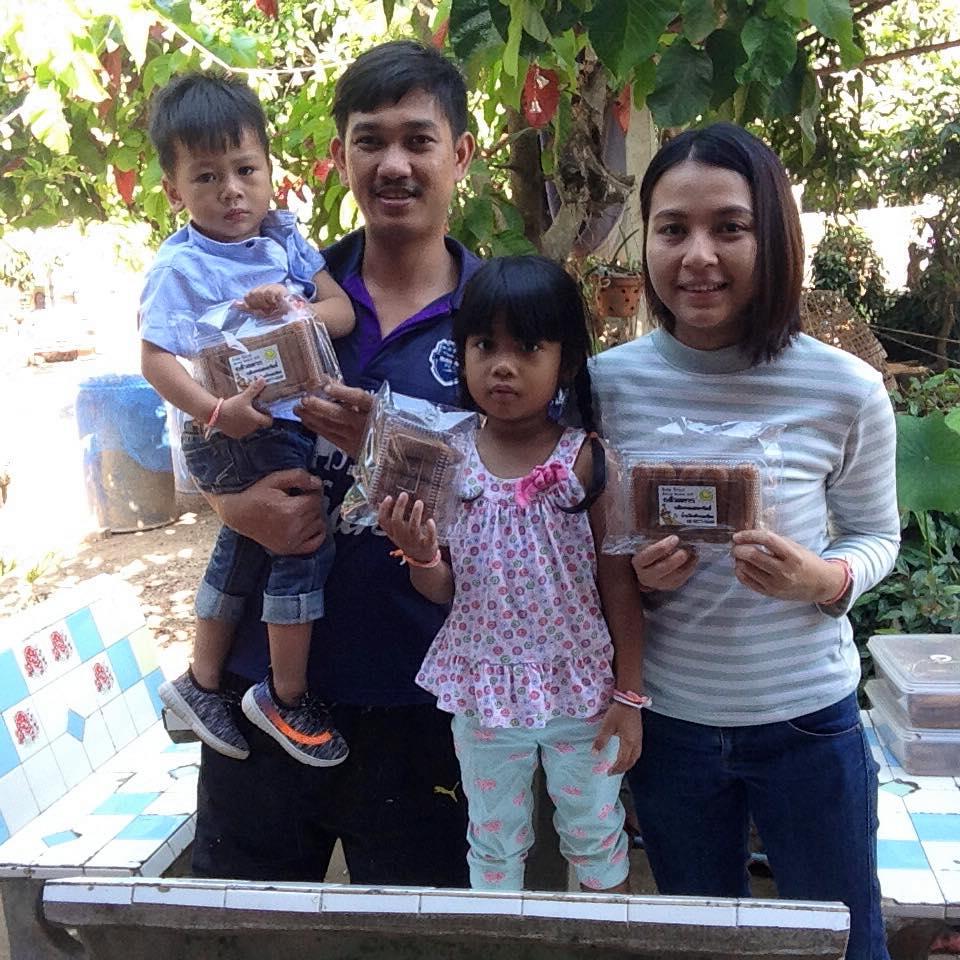
Family producers
Community families take pride in their banana products.
Basket display
Traditional presentation—simple, practical, and local.
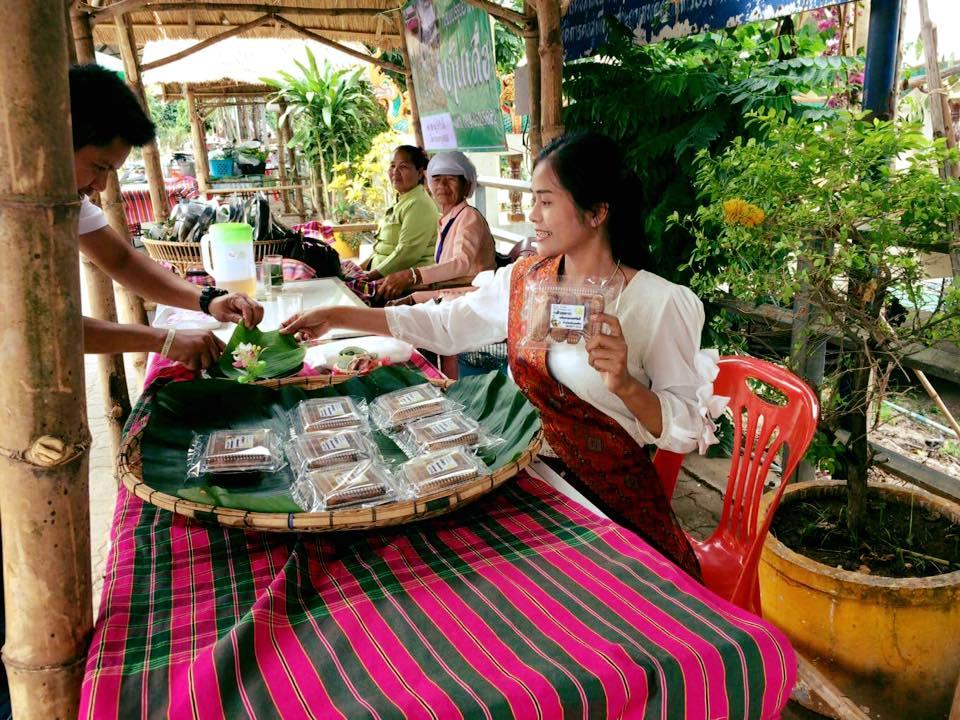
Market stall
Selling directly to visitors at the bazaar.
Candied tomatoes
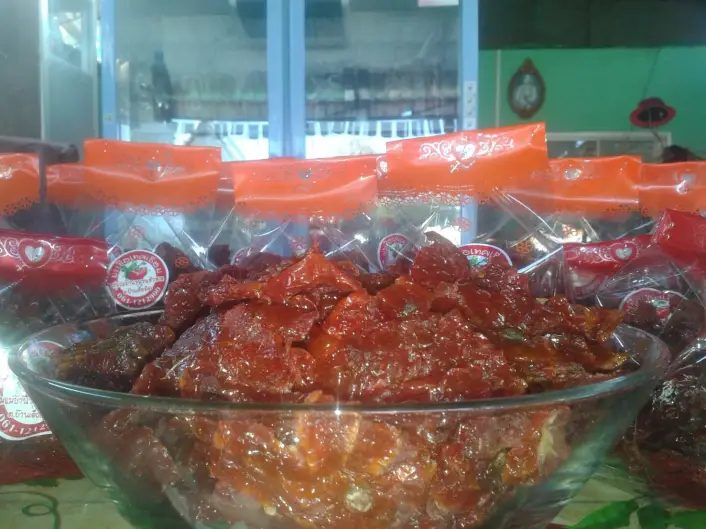
Nong Khai has around 6,000 rai of land dedicated to tomato cultivation, making tomatoes an important economic crop for the province. Tomatoes are supplied to factories in Nong Khai and sold wholesale to other provinces—often directly from farmers. Many people in the Ban Duea subdistrict grow tomatoes, which can lead to seasonal surplus. Local women process part of this surplus into candied tomatoes.
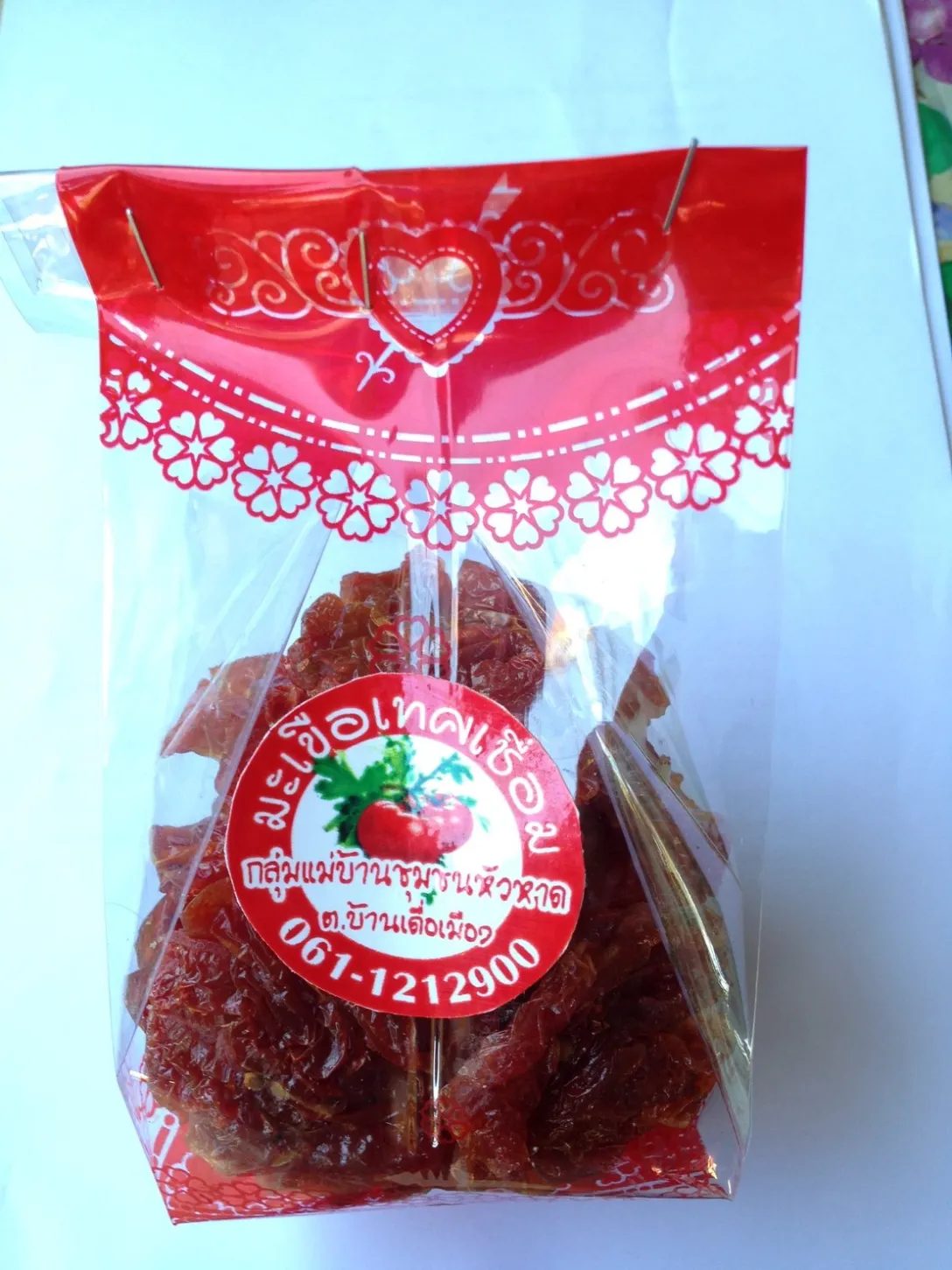
Tomatoes in Nong Khai
A major local crop—often sold to factories and wholesale markets.
Nutrition snapshot
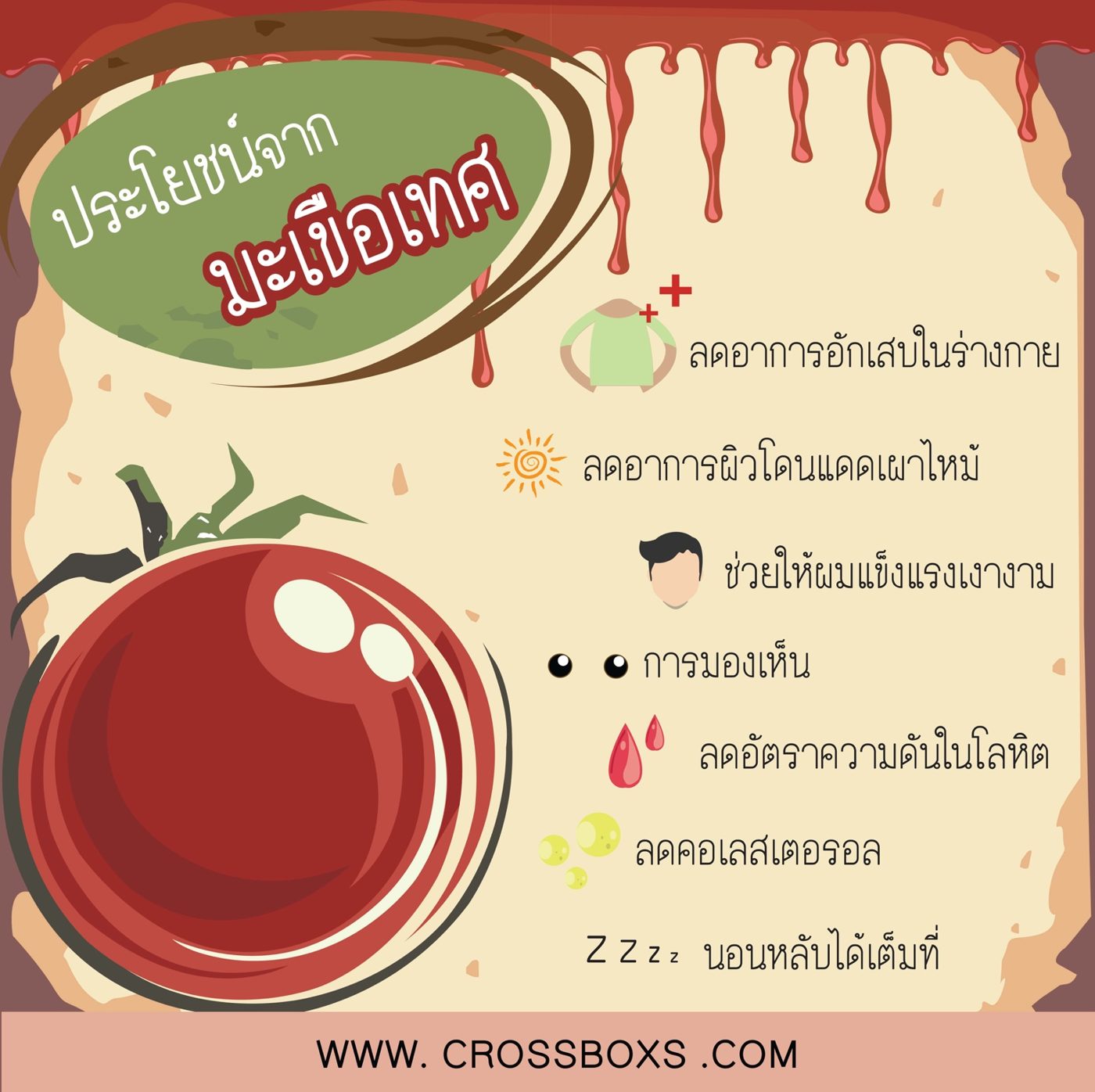
Naturally low in calories and rich in micronutrients.
Healthy snack
Candied tomatoes—sweet, tangy, and easy to carry.
Nutritional value (per 100 g of tomatoes)
Energy 18 kcal • Water 94.34 g • Protein 0.95 g • Fat 0.11 g • Carbohydrates 4.01 g • Fibre 0.7 g • Sugars 2.49 g • Calcium 11 mg • Iron 0.68 mg • Magnesium 9 mg • Phosphorus 28 mg • Potassium 218 mg • Sodium 11 mg • Zinc 0.14 mg • Vitamin C 22.8 mg • Folate 13 µg • Vitamin A 489 IU • Vitamin E 0.56 mg • Vitamin K 2.6 µg • Lutein & zeaxanthin 123 µg.
As a result, candied tomatoes are a snack with real health benefits. Candied tomatoes are sold in small bags for 25 ฿ per bag.
Processed food products
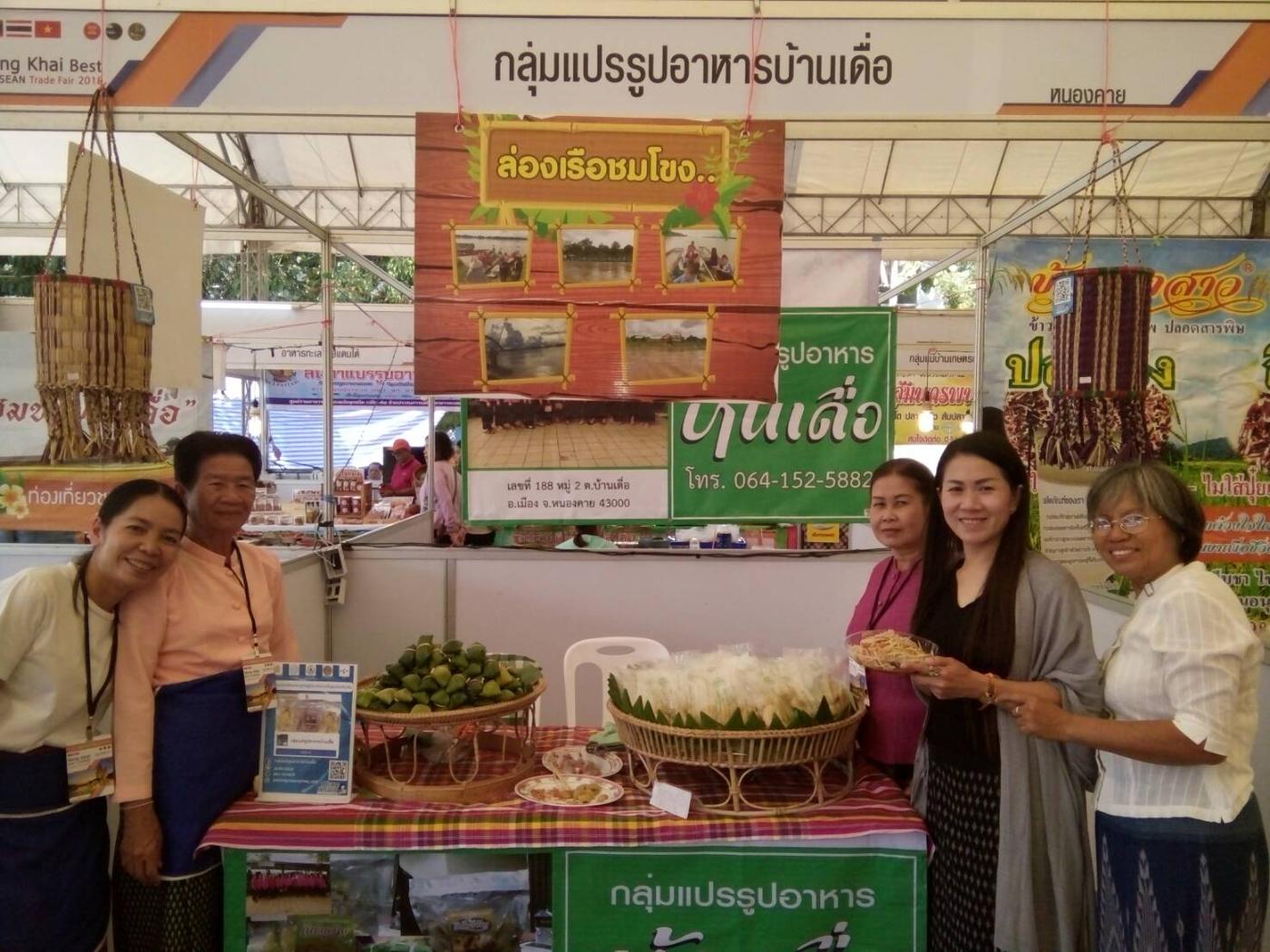
The Ban Duea Food Processing Group was formed by local housewives in the community. Their main goal was to use free time after farming and gardening—their primary occupations—to create additional income.
Working as a group also enabled knowledge‑sharing: each household contributed techniques and recipes, which gradually became a shared body of expertise and led to a wider range of community products.
Community group
A local group creating value‑added foods for extra income.
Learning & sharing
Techniques and recipes exchanged across households.
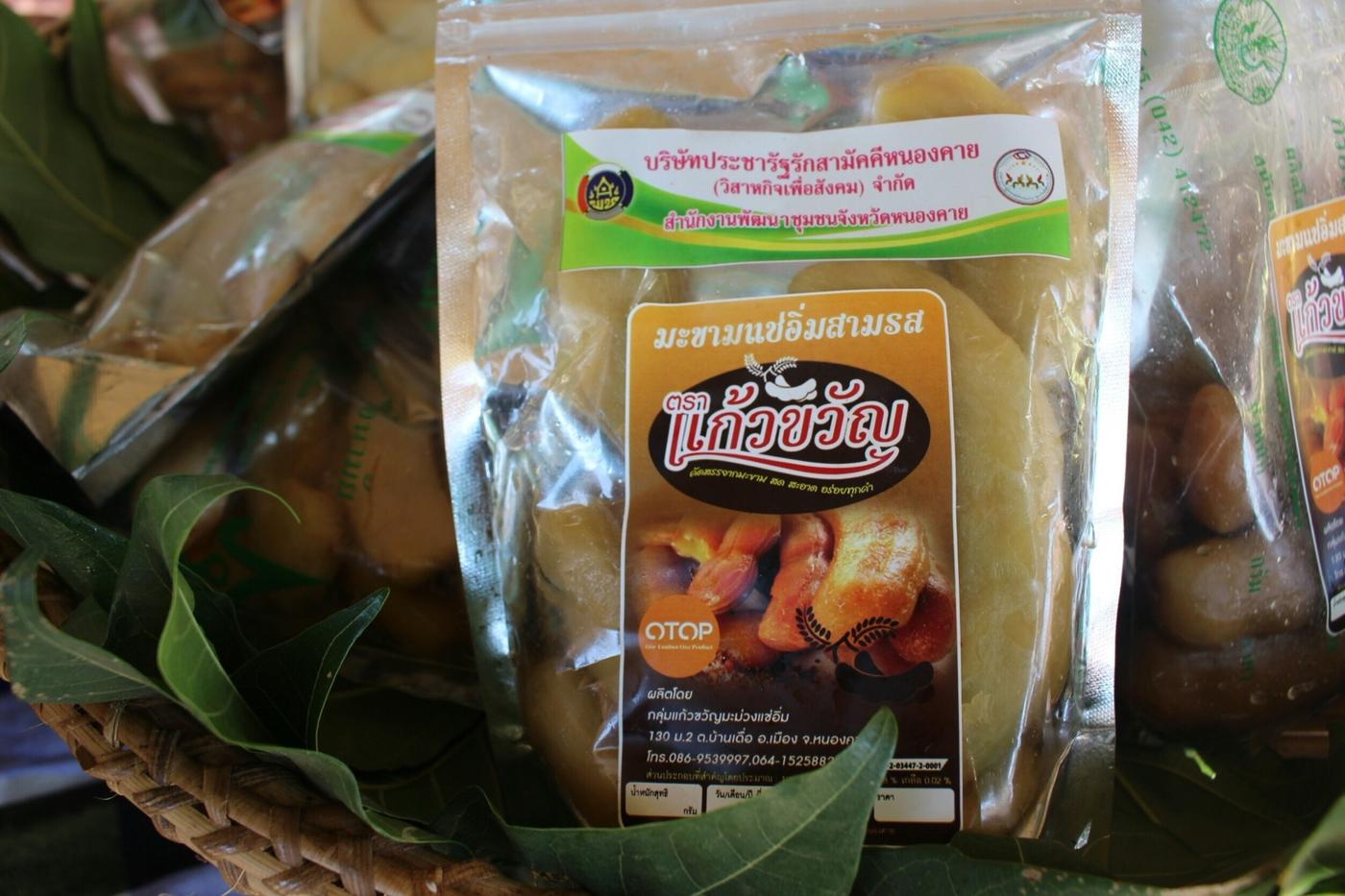
Packaged specialties
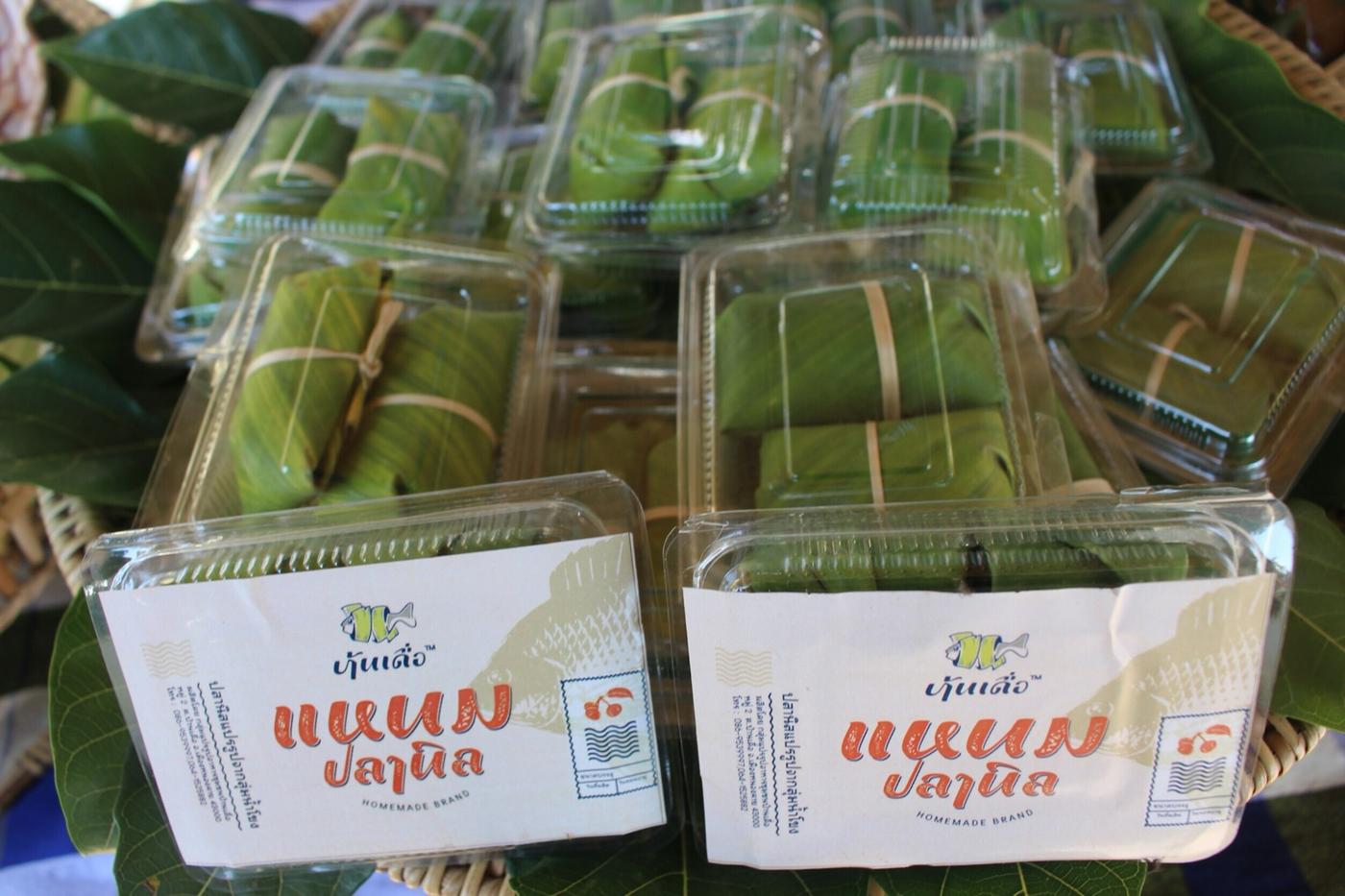
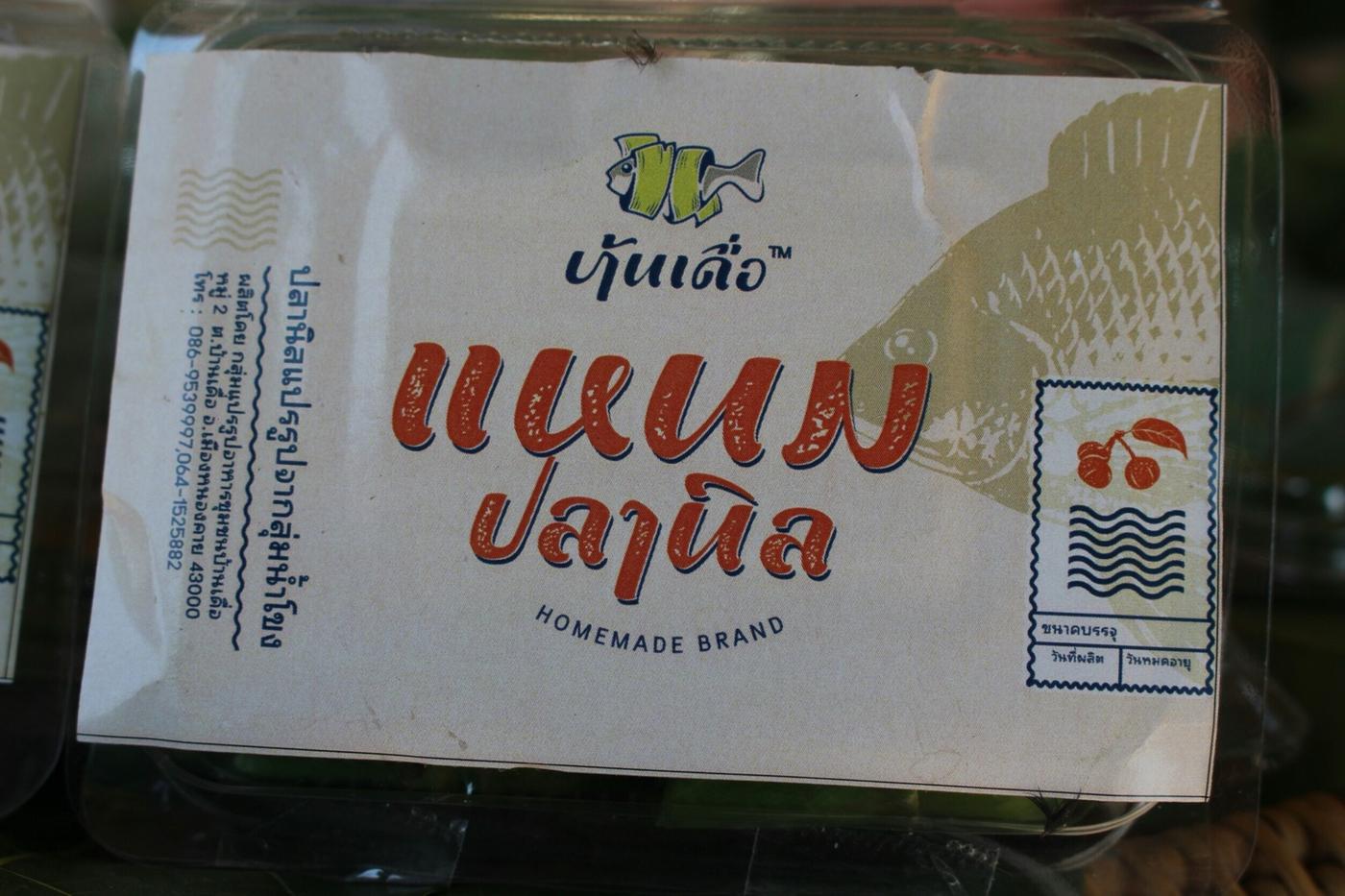
Neat packaging designed for sale at the bazaar.
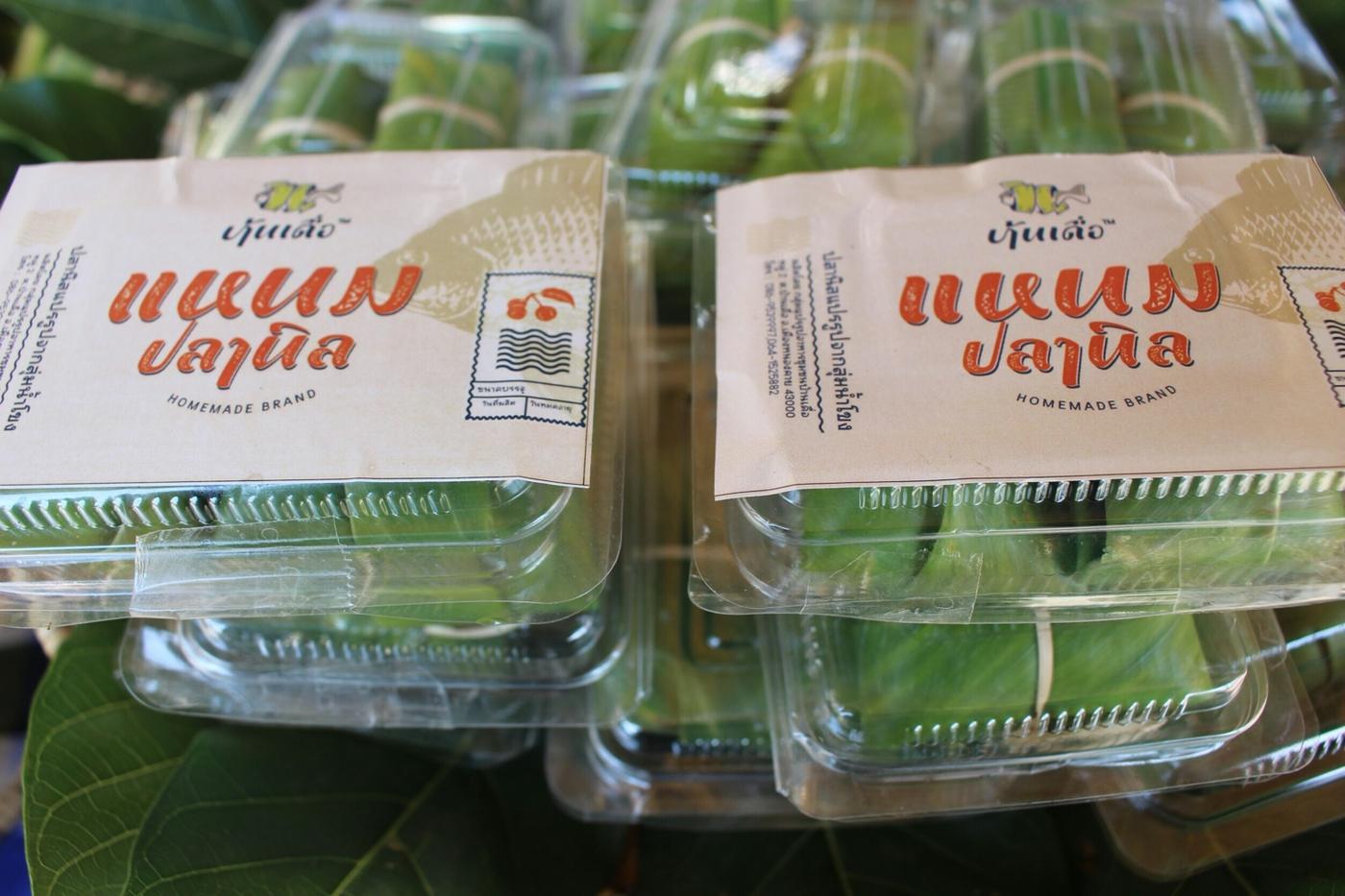
Leaf‑wrapped treats
Traditional snacks prepared and wrapped by hand.
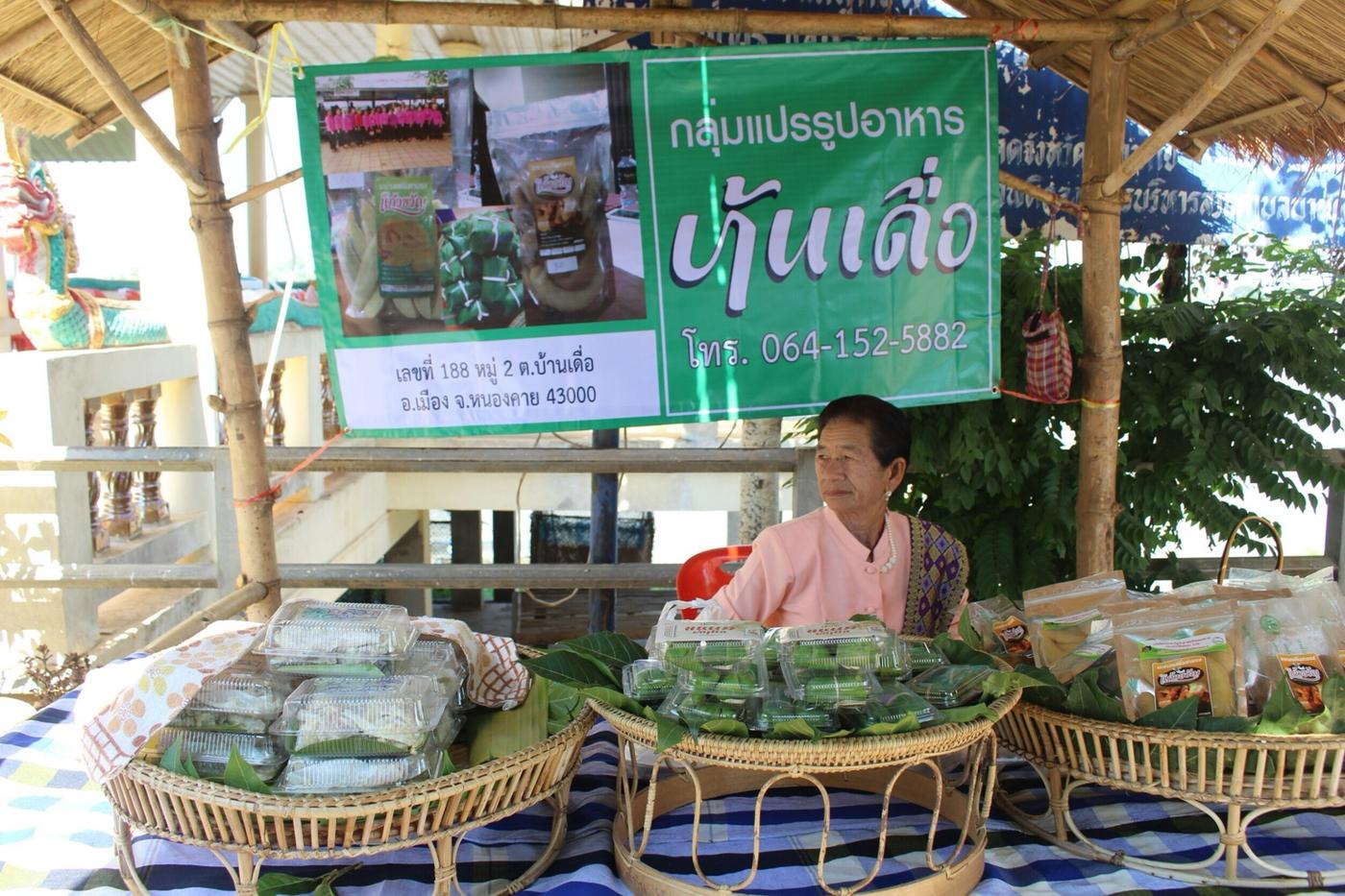
Ready for customers
Products displayed for visitors and distribution.
At fairs & events
The group also presents their products at community fairs.
Prices may vary by season and batch.
Lertrat organic rice
“Let food be thy medicine rather than medicine be thy food.”
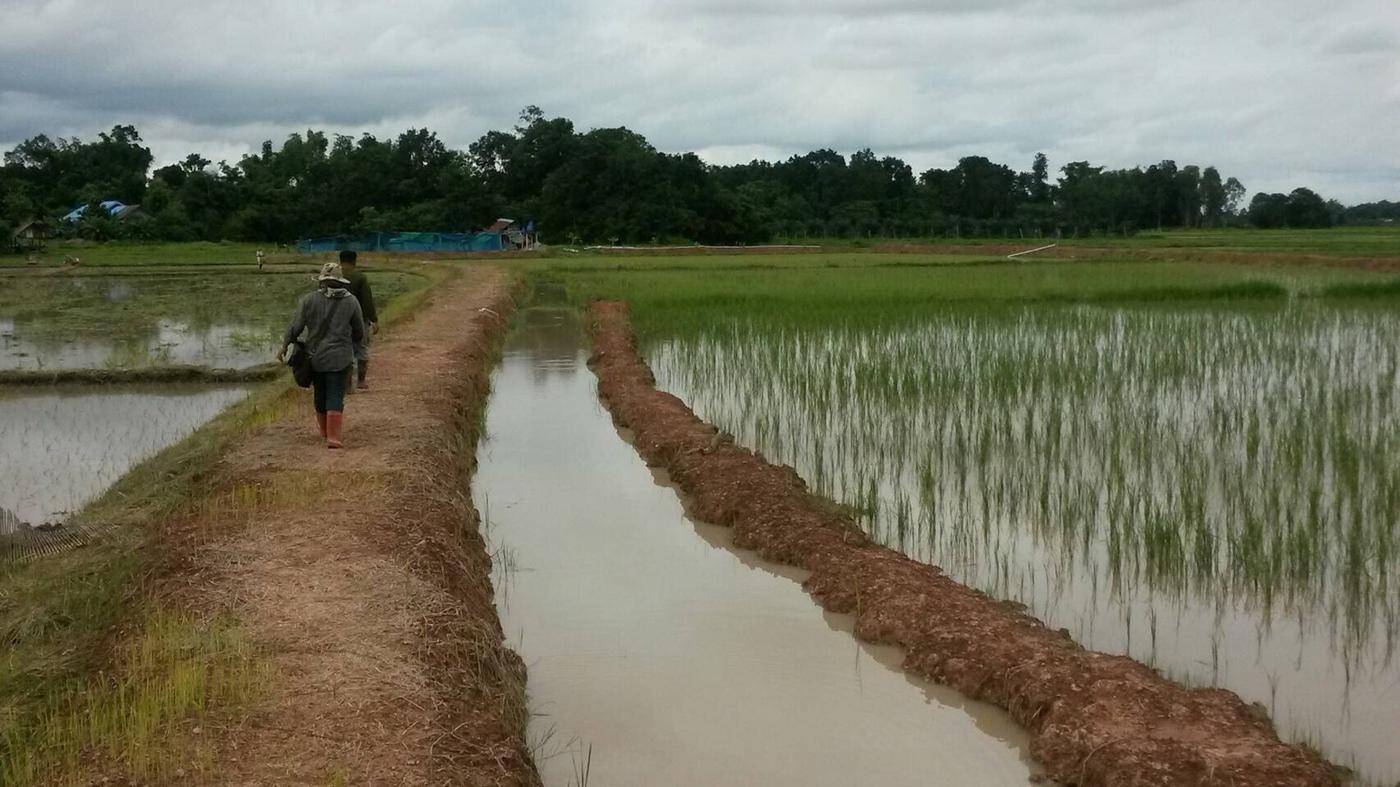
This idea inspired the Lertrat family to begin organic farming. Their rice fields are cultivated with natural methods, combining modern know‑how with traditional practices to create a farming approach that is gentle on people and plants. Great care is taken at every step.
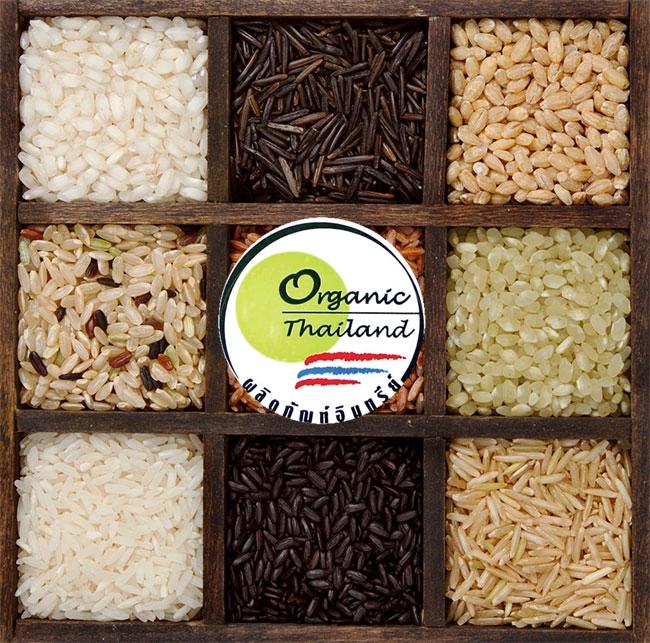
Products and community impact
It started with a family of civil servants closely involved in the rice sector. With experience, belief and confidence in Thai rice quality, they wanted to help preserve community traditions rooted in rice culture.
Lertrat Rice focuses on producing healthy rice by involving the local community from planting and production to packaging and selling. This approach spreads income locally, strengthens family bonds and promotes healthier choices.
Seed selection & soil preparation
Everything begins with seed selection. Traditional Thai jasmine rice varieties are chosen for their fragrance and taste. For soil preparation, cover crops are planted and the soil is ploughed several times to enrich nutrients and control weeds. After ploughing, manure is added—sourced from cows fed on natural fodder.
Typical prices: From 60–80฿ per kg (depending on variety).
Organic rice pack
Lertrat’s rice packs prepared for sale.
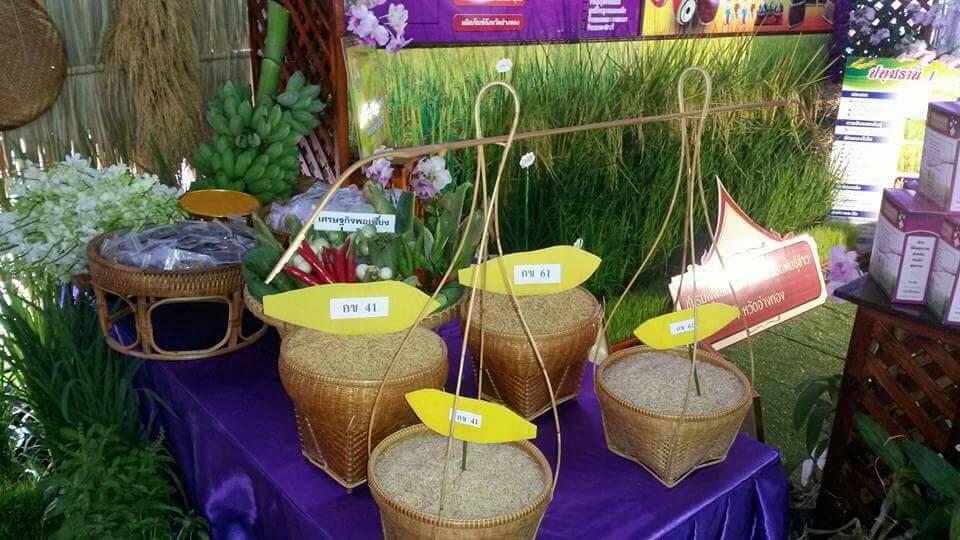
From the rice community
A community‑based approach from field to packaging.
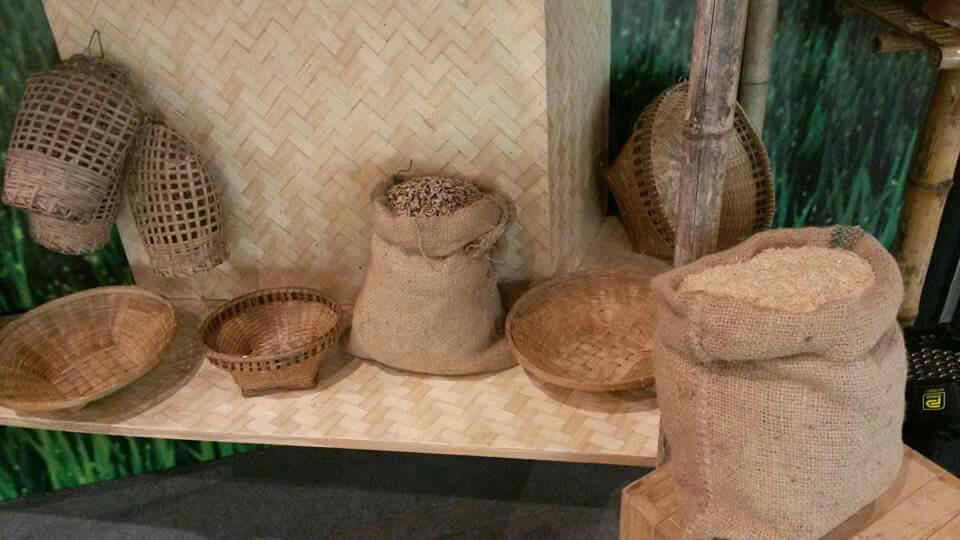
Healthy rice mission
A focus on wellness and local livelihoods.
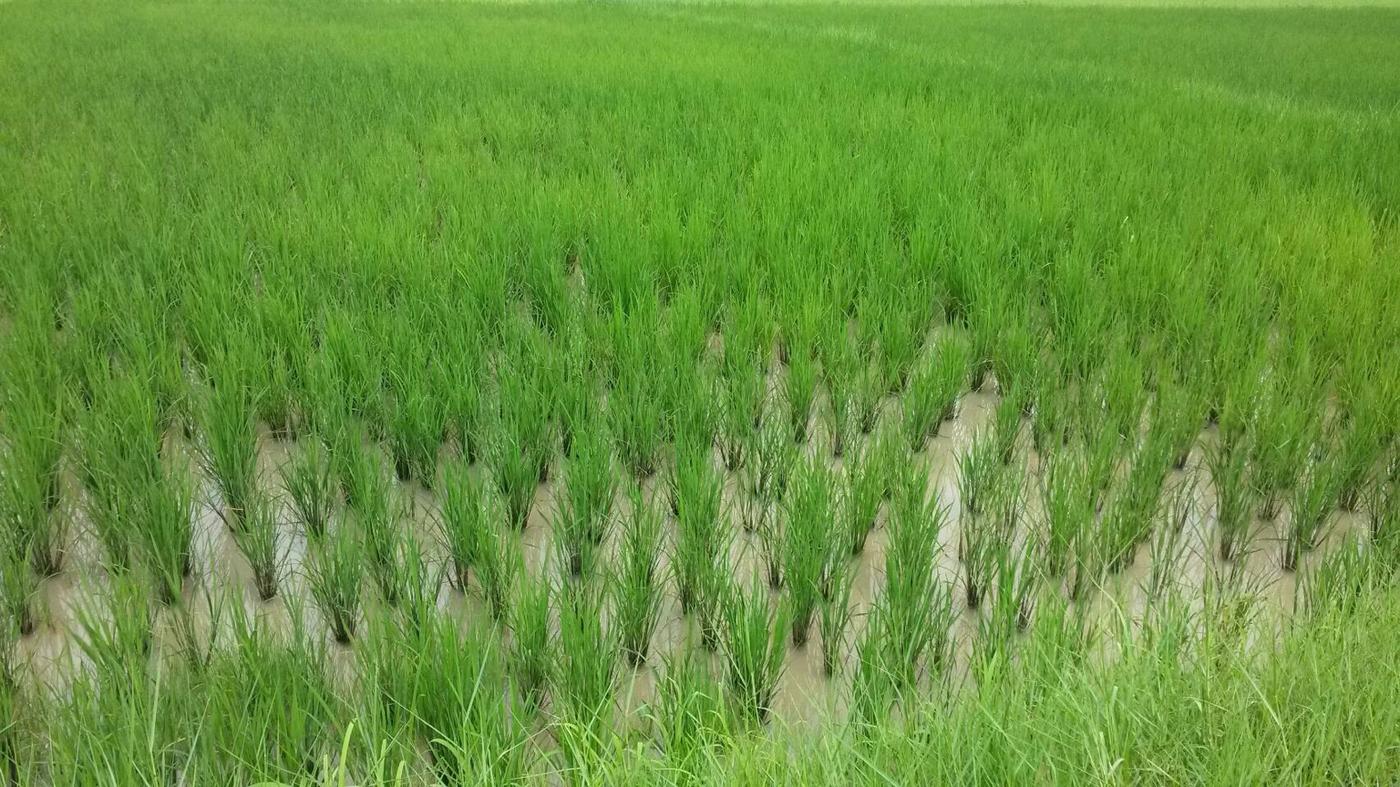
Seed selection
Choosing traditional varieties suited to the local climate.
Khao Klong options
Different rice types offered by the community.
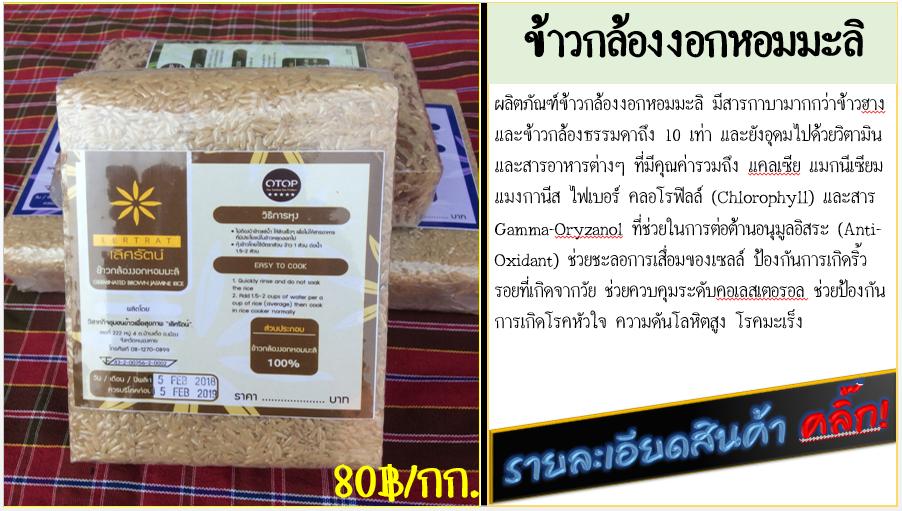
Brown jasmine rice
Aromatic jasmine rice with bran retained.
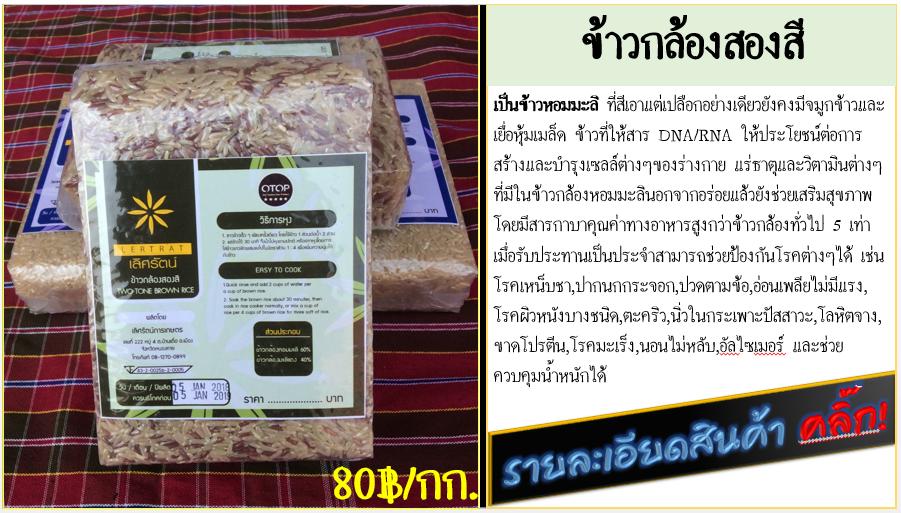
Two‑tone rice
A blend of grains for flavour and nutrition.
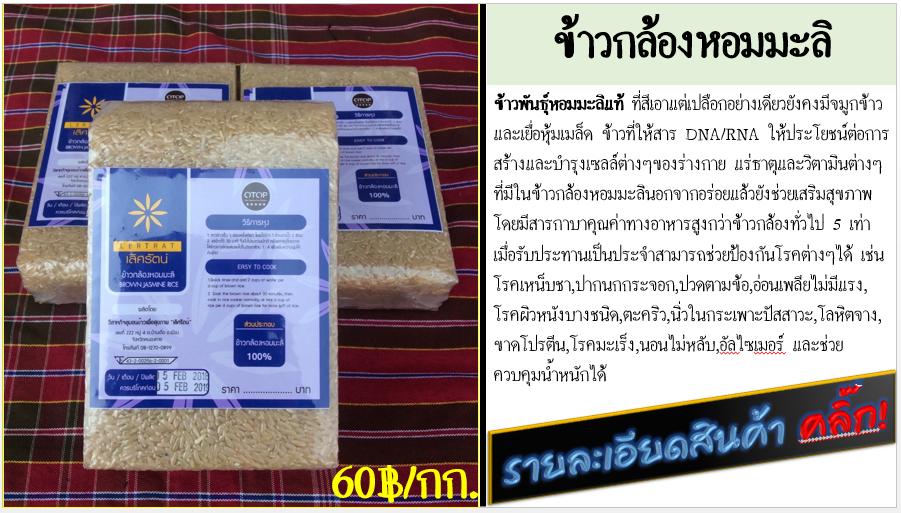
Brown jasmine rice (bulk)
Community packaging for local distribution.
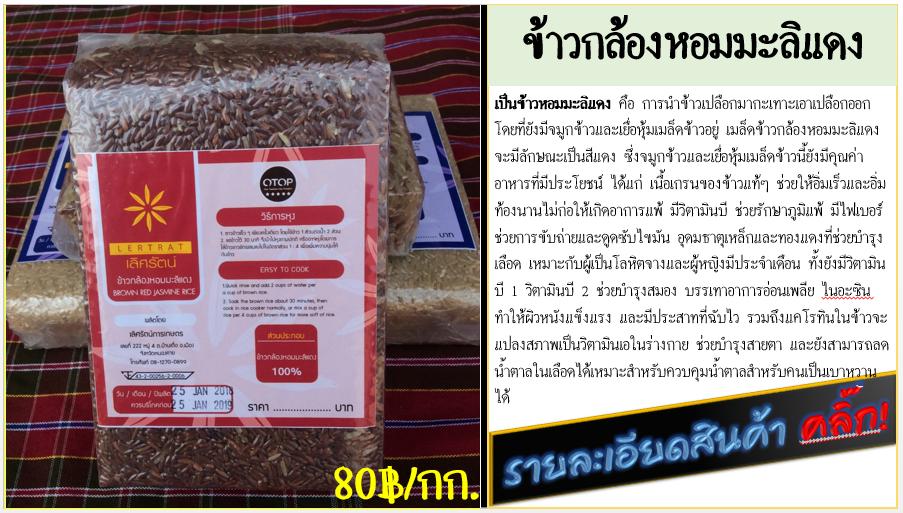
Red jasmine rice
A colourful variety with a rich taste.
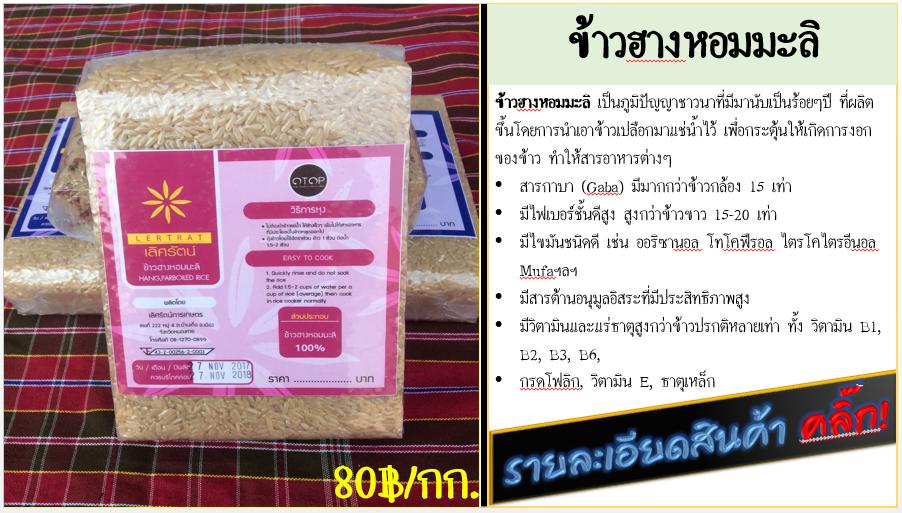
Germinated jasmine rice
Rice processed for added nutrition.
Crafts & weaving groups
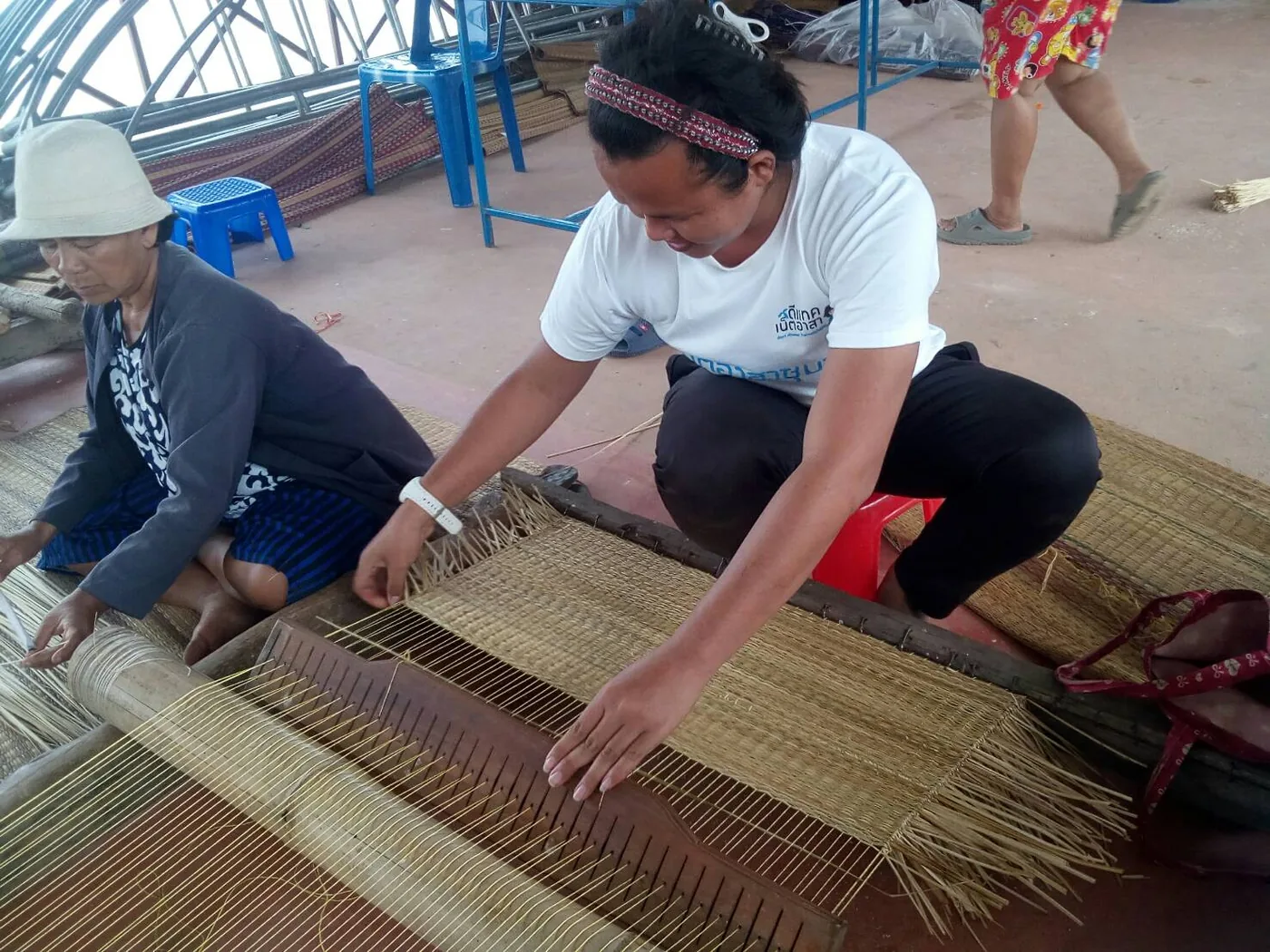
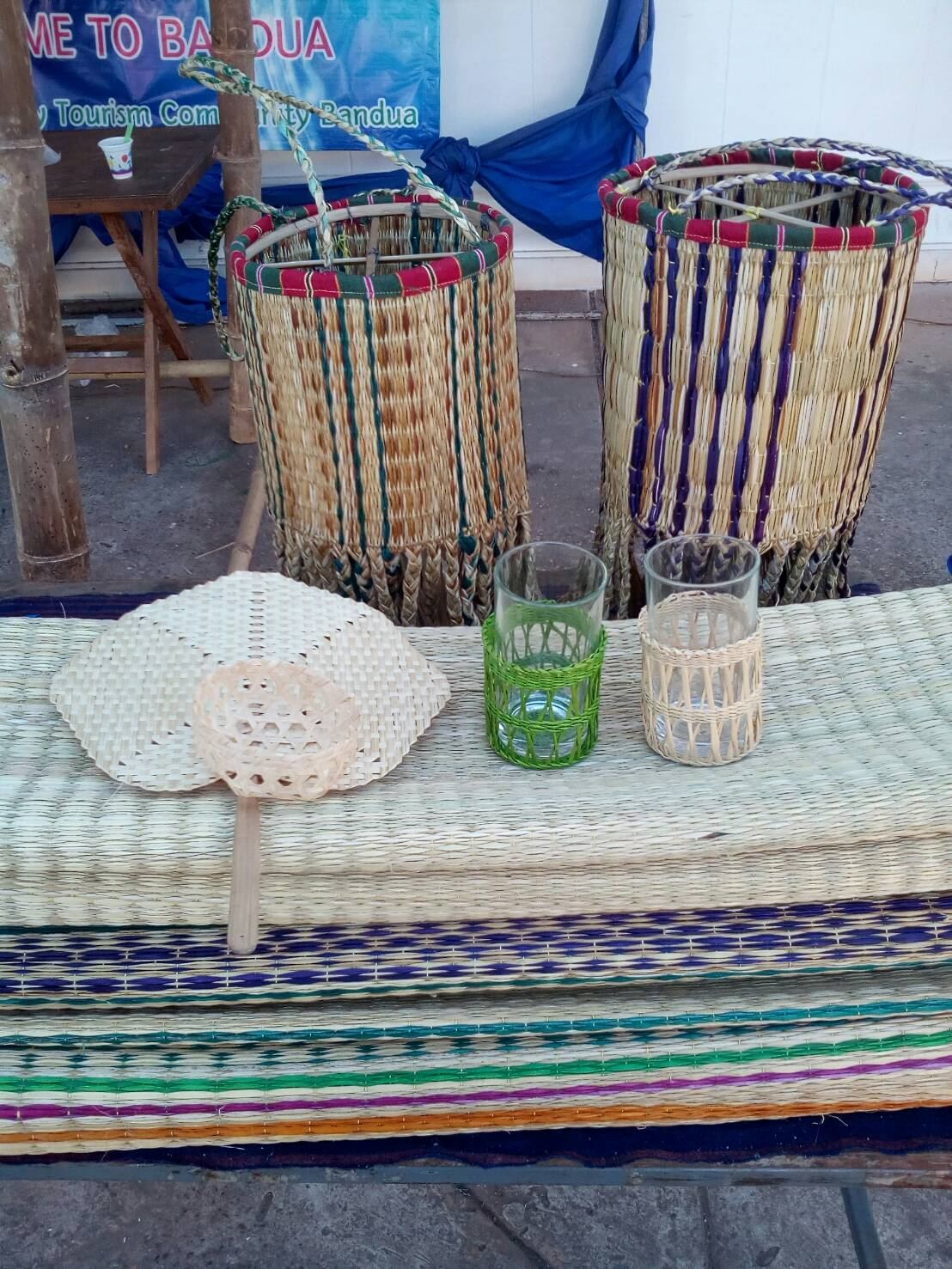
Basketry and reed‑mat weaving are part of Ban Duea’s living heritage. Local artisans split and dye natural fibers, then weave them into mats, bags, lampshades and other everyday items.
In the past, mats were essential for sitting and sleeping and were also used as gifts when moving into a new home. Families wove mats to donate to temples during festivals, and to trade with nearby villages.
Today, modern materials have reduced day‑to‑day use, but the community keeps the craft alive—adapting patterns, improving finishes and turning traditional skills into supplementary income.
Interested in a study visit or filming a small campaign? The group can host visitors and demonstrate the full process—from preparing fibers to weaving and finishing.
What you can see & try
- Reed‑mat weaving and product making (lamps, bags, meditation cushions, etc.)
- Lotus‑flower cookies workshop
- Hands‑on demonstrations with local makers
Capacity: up to 150 people • Typical visit: 1–2 hours
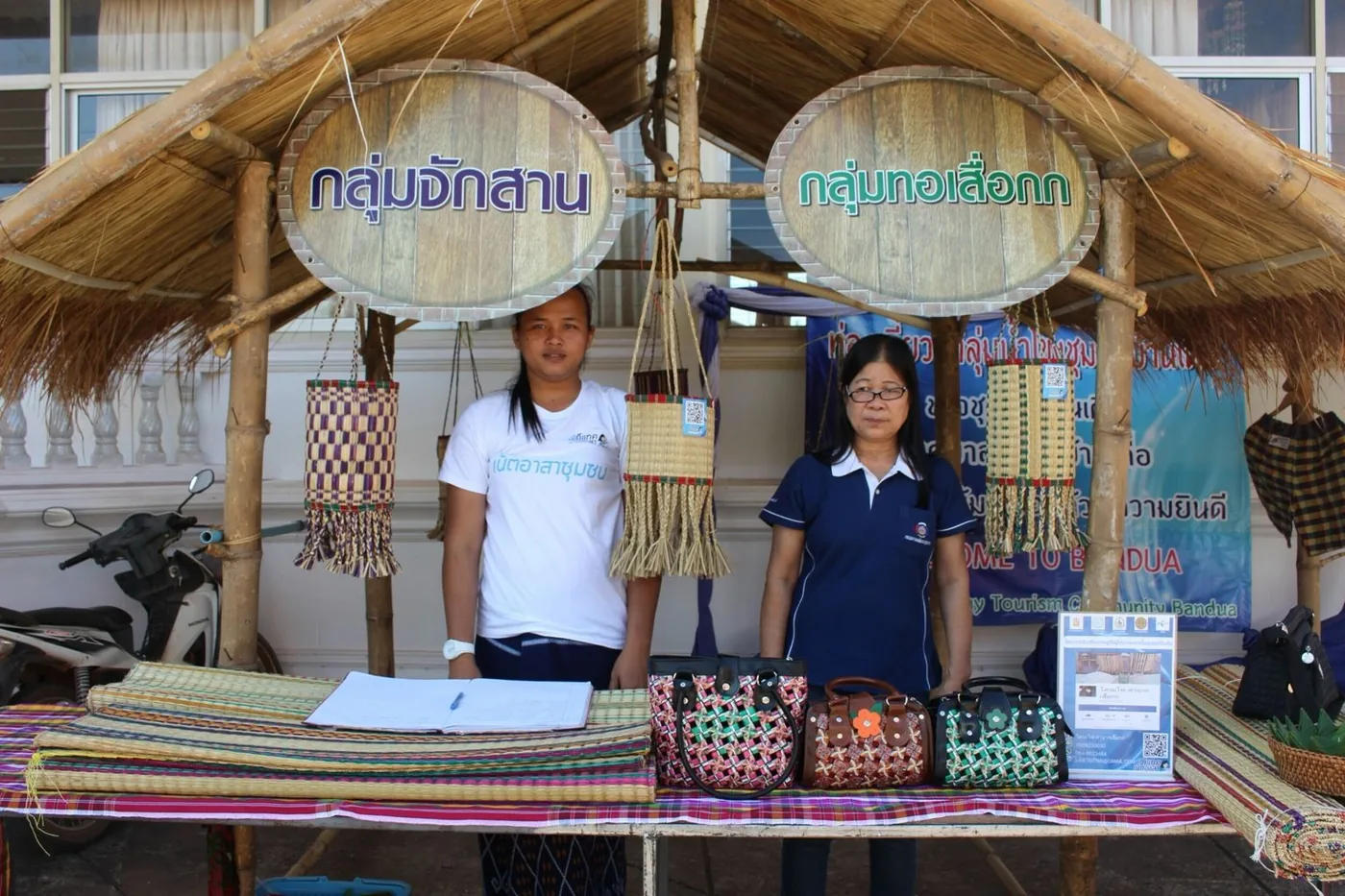
Reed mats
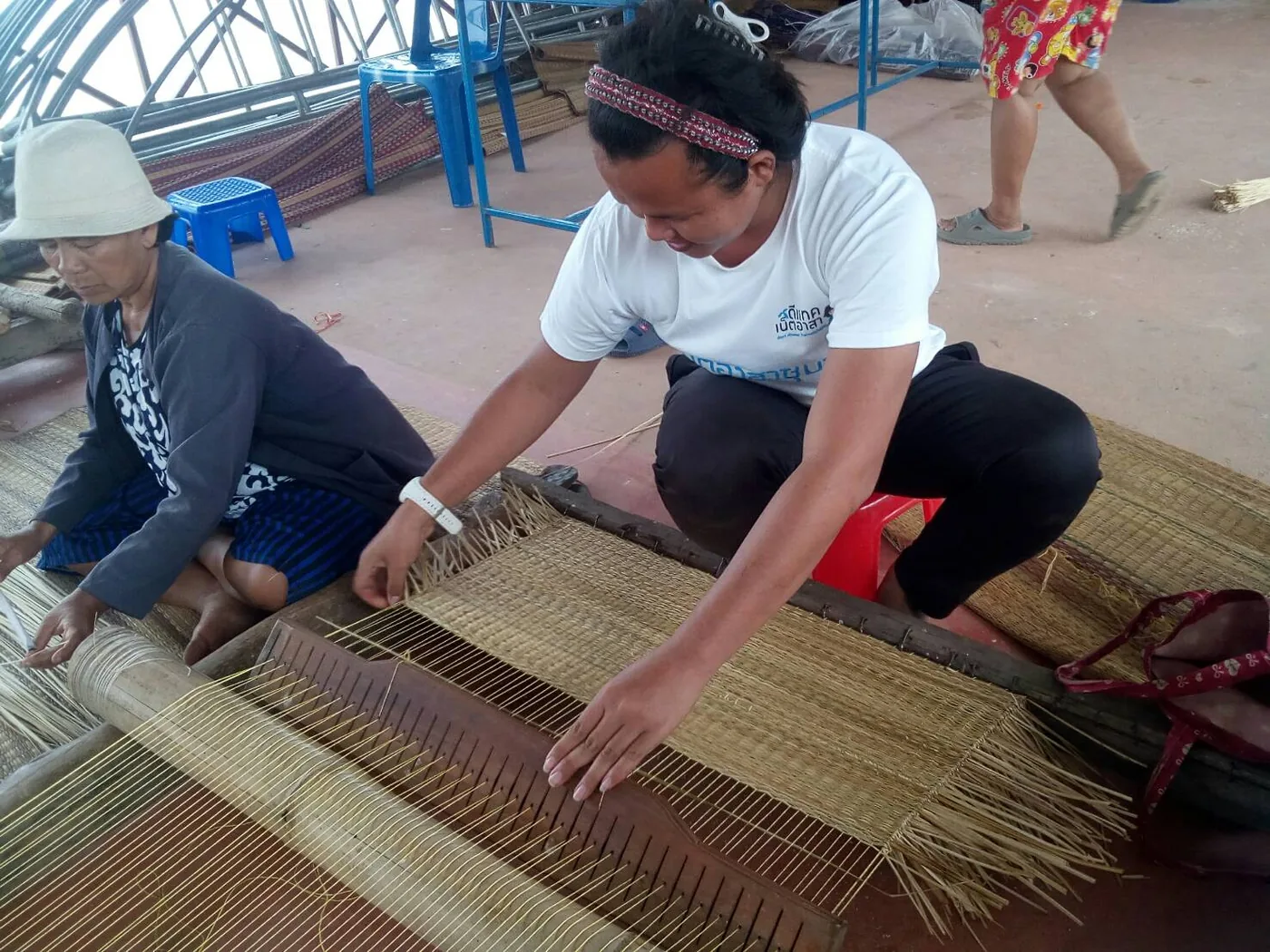
Natural fibers
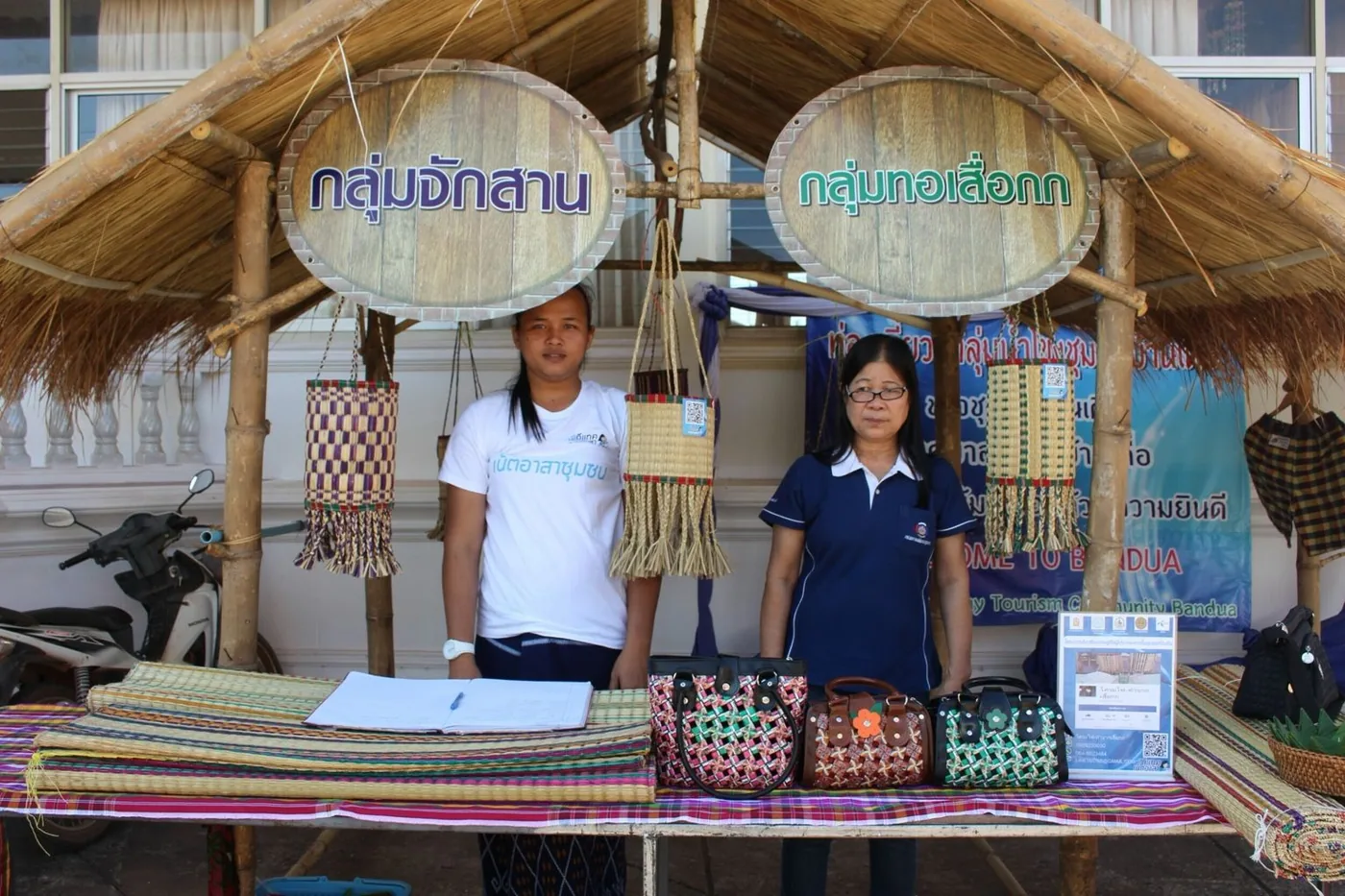
Community stall
Handmade crafts
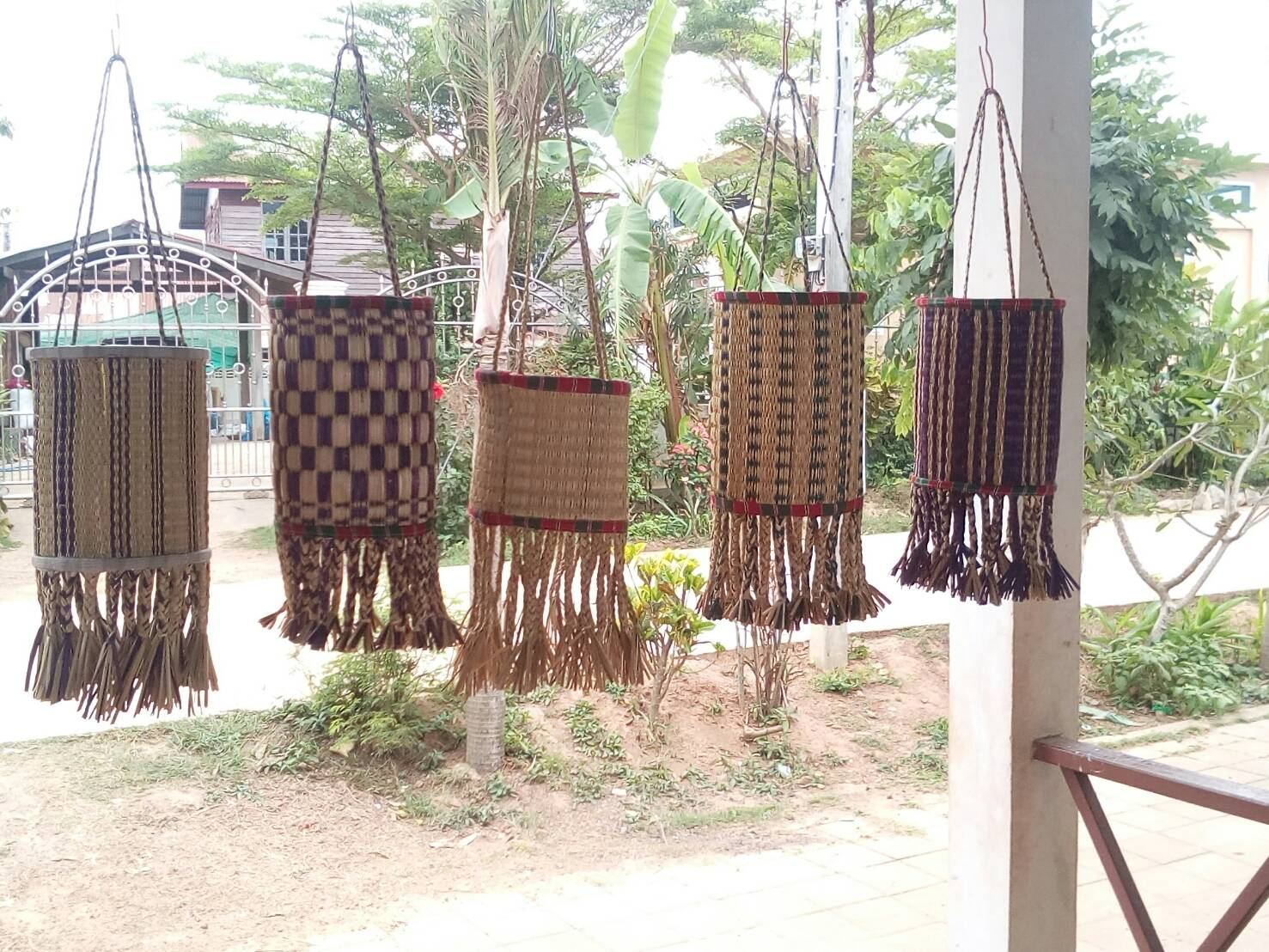
Traditional patterns
Weaving workshop
Why this matters
By visiting community markets like Bazaar Ban Duea, you support small producers and help keep traditional skills alive — from fermented fish recipes to handwoven mats and bags.